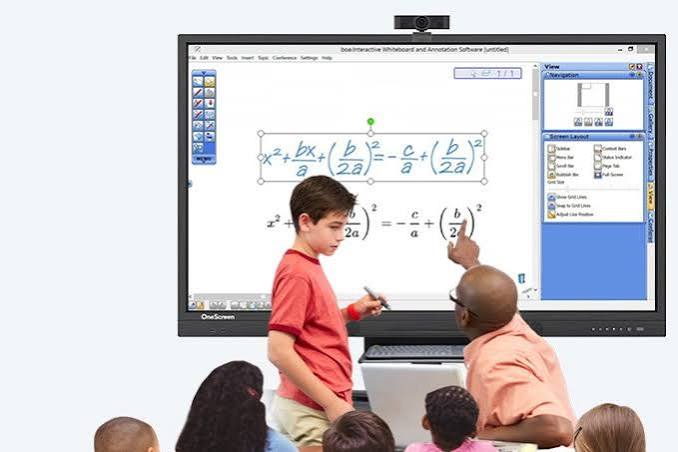
Education is changing faster than ever before. Over the past few years, schools, colleges, and universities have increasingly adopted digital technologies to improve teaching and learning. From virtual classrooms to artificial intelligence-powered learning platforms, technology is reshaping how students access education and how teachers deliver lessons.
As governments and educational institutions continue investing in digital infrastructure, students now have more opportunities to learn beyond the traditional classroom. However, these advancements also come with challenges that require careful planning and equal access to technology.
The Rise of Digital Classrooms
Many educational institutions now combine face-to-face teaching with online learning. This blended approach allows students to access lectures, assignments, and learning materials from virtually anywhere. Digital classrooms also provide flexibility for learners who need to balance education with work or other responsibilities.
Schools are increasingly using learning management systems, video conferencing platforms, and interactive educational software to improve student engagement and collaboration.

Technology Is Changing the Learning Experience
Technology has introduced new ways for students to understand complex subjects. Interactive simulations, educational videos, artificial intelligence tools, and virtual laboratories are making learning more engaging and practical.
Teachers can also monitor student progress more effectively through digital assessment tools, allowing them to provide personalized support where needed.
Challenges Facing Digital Education
Despite its many benefits, digital learning is not without challenges. Reliable internet access, affordable devices, and digital literacy remain significant concerns in many communities. Students in rural or underserved areas may struggle to participate fully in online learning if these resources are unavailable.
Educational institutions continue to explore ways to bridge this digital divide by investing in infrastructure, training teachers, and expanding access to technology.

What This Means for Students
Students who develop digital skills alongside their academic knowledge will be better prepared for future careers. Learning how to research effectively, collaborate online, use productivity software, and adapt to new technologies has become increasingly important in today’s education system.
By embracing both traditional and digital learning methods, students can take advantage of a wider range of educational opportunities.
Key Takeaways
- Digital learning continues to expand globally.
- Technology is improving classroom engagement.
- Students need strong digital skills for future careers.
- Internet access remains a challenge in many regions.
- Educational institutions continue investing in digital transformation.
Final Thoughts
Digital learning is no longer just an alternative to traditional education—it has become an important part of modern teaching and learning. As technology continues to evolve, schools and universities will likely introduce even more innovative ways to support students and improve educational outcomes.
Students, parents, and educators who stay informed about these developments will be better prepared to adapt to the future of education.